Clinical studies show that B12 injections have no major side effects, though rare cases of sensitivity may occur [20]
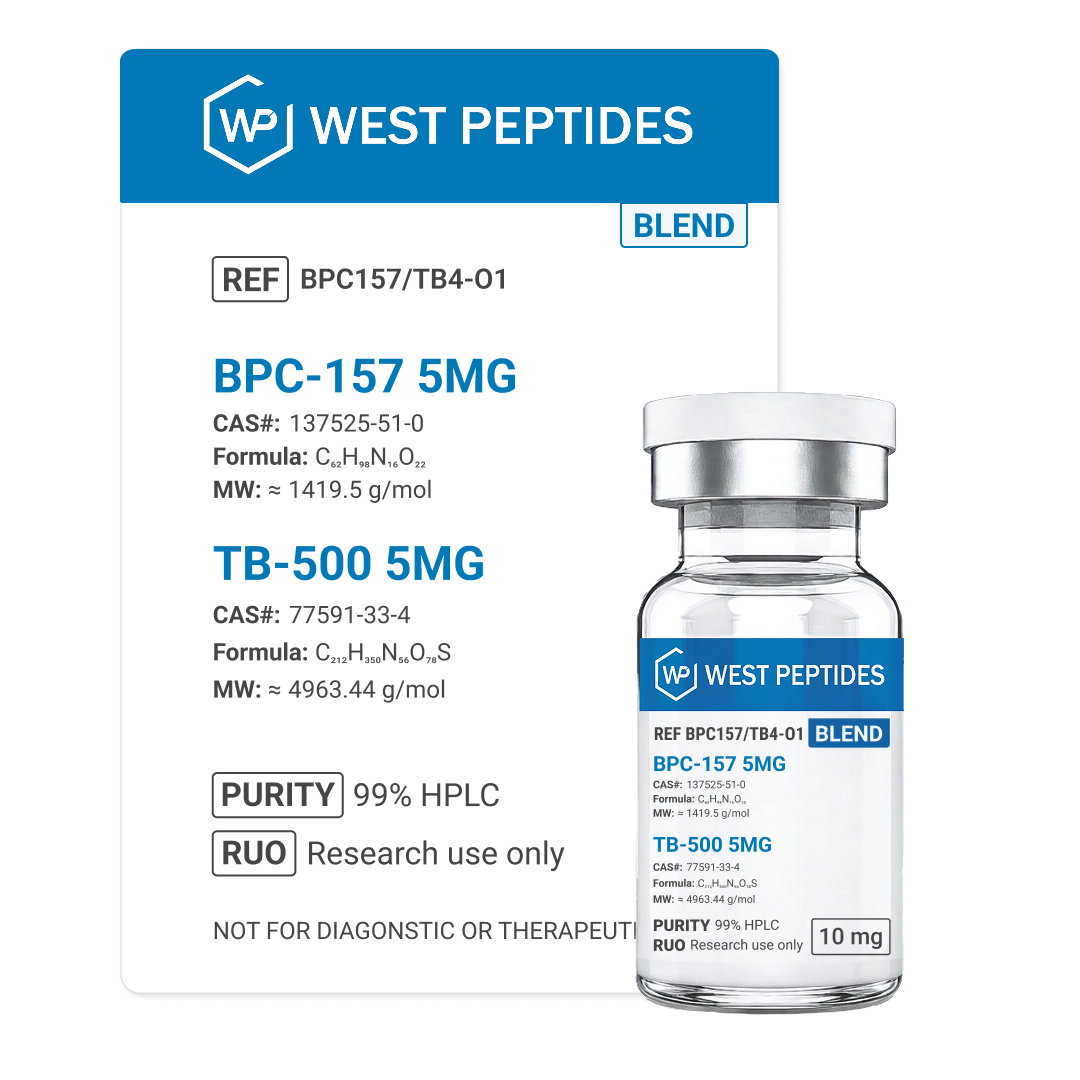
Injection location strategies Local injection (near pain site): Inject within 2-3 inches of painful area Example: Knee pain = inject into thigh or near knee Shoulder pain = inject into shoulder/deltoid area May provide faster local relief Systemic injection (away from pain): Inject into abdomen or thighs Works throughout body Better for multiple pain sites Still effective, just less targeted Which is better: Local: Faster relief for single pain site Systemic: Better for multiple areas Both work - choose based on situation Oral vs injectable for pain Injectable (more common): Higher bioavailability Works for all pain types Faster results typically Oral (specific uses): Good for gut-related pain (IBD, ulcers) Easier for needle-phobic people BPC-157 and KPV available oral Lower absorption but still works See our injectable vs oral peptides , how to inject peptides , and how to take BPC-157
Common signs of B12 deficiency include persistent fatigue and weakness, related to anemia caused by impaired red blood cell production
Y-box binding protein 1 (YB-1), another cold shock protein, plays roles in wound healing and immune cell recruitment to inflammation sites
Consequently, we observed that this beneficial effect, after direct injury (permanent ligation) applied to one or two major vessels, could instantly oppose more general damage (maintained intra-abdominal hypertension, either high (grade III) or very high (grade IV)), as all blood vessels which can be compressed with increased intra-abdominal pressure